
Huge and fast growth is forecast for the UK’s biomethane industry, with predictions of a 50 percent rise in the number of operating plants – and investment of up to GBP400 million (≈ EUR 455.8 million) – by January 2020. The four gas distribution networks (GDNs) – Cadent, Southern Gas Networks (SGN), Northern Gas Networks, and Wales & West Utilities – are joining forces to facilitate this anticipated growth spurred by the non-domestic Renewable Heat Incentive (RHI) tariff guarantee.

According to Cadent Gas Ltd, the UK’s largest gas distribution network operator with a network area that covers North West England, the East of England, South Yorkshire, the Midlands and parts of the South East, gas accounts for 66 percent of the UK’s non-transport final energy consumption and is a critical component of the UK energy infrastructure.
The amount of biomethane currently entering the distribution pipes is meeting demand for heating in 114 000 homes – the equivalent demand from a city the size of Coventry. However, these plants have the capacity to increase output to meet local demand, for example, in colder months, to volumes that would heat more than 190 000 homes. This is more than the supply needed to meet demand from a city the size of Liverpool or Manchester.
According to Alan Midwinter, biomethane lead with Southern Gas Networks (SGN), the amount of biomethane currently entering SGN’s distribution pipes meets the demand for heating 170 000 homes – the equivalent demand from a city the size of Edinburgh or Reading.
We are committed to having 250 000 homes connected to green gas by 2021 and are on course to exceed that target. We have led the way in biomethane production and are looking forward to seeing further growth in plants creating green gas which can be injected into the gas network. They are providing the nation with safe, sustainable gas supplies to homes and businesses for decades to come, and helping to reduce the country’s greenhouse gas emissions, Midwinter said.
RHI tariff guarantee driver
The background to the surge in anticipated biomethane production is the government’s tariff guarantee in the non-domestic Renewable Heat Incentive (RHI) announced in May this year. This promise removed uncertainty from investors but came with a deadline – it will only apply to plants commissioned by January 31, 2020.
The evidence is now pointing to fast growth for biomethane – we know there are around 50 applications for new plants going through the system. This will provide safe, sustainable gas supplies for homes and businesses for decades to come, and help to reduce the country’s greenhouse gas emissions, said Tina Hawke, Design Manager and lead in this area for Cadent Gas and chair of the Energy Networks Association’s (ENA) biomethane group
As a result plant developers keen to take advantage of the tariff guarantee are forging ahead to meet the commissioning deadline.

There are currently 48 applications in with Ofgem, the National Regulatory Authority, for permission to operate new plants. This would take the number of UK plants from 98 to 146.
The restoring of higher tariffs and introduction of tariff guarantees for the Renewable Heat Incentive will give the UK’s biomethane industry a much-needed boost. We are expecting as many as 50 new biomethane facilities to be built over the coming 18 months as a result of the changes, with an accompanying investment of £300-£400 million, said Charlotte Morton, ADBA.
Consolidated GDN project commissioning plan in the pipeline?
No changes are needed to the UK’s existing gas pipe network, or domestic appliances, to accommodate expansion of green gas. Customers would continue to use gas through the same pipes they have now.
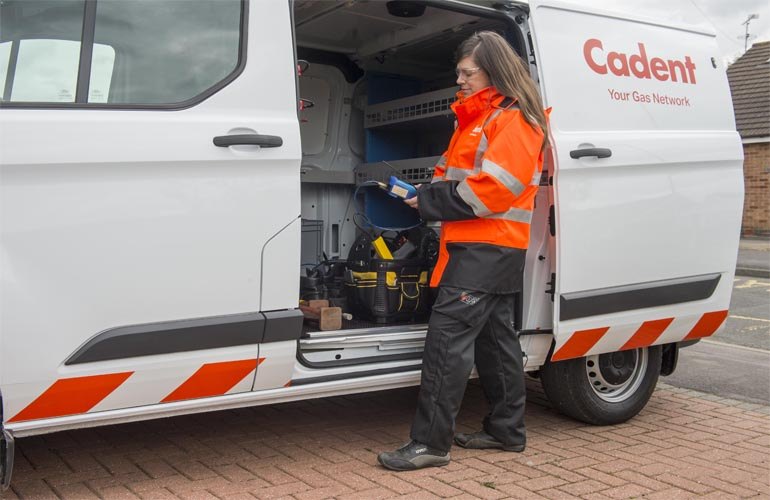
However, a key issue given the projected surge in projects is the ability to commission the upcoming biomethane-to-grid plants safely and on time.
Safety is a core value for our business. As an independent operator of extensive gas pipeline networks, it is paramount that these projects are executed safely, said David Hurren, CEO of Air Liquide, Advanced Business and Technology UK.
According to Tina Hawke, Cadent together with the other three GDNs – Southern Gas Networks Plc (SGN), Northern Gas Networks Ltd, and Wales & West Utilities Ltd –are working to standardise a number of elements of the design and commissioning process, the ENA Biomethane Connections Code.
We want to do everything we can to support our customers and ensure every one of these new plants is commissioned safely. We are working very closely with our customers, providing information quickly, to help accelerate the review process, and to enable our customers to secure these tariff guarantees. We’ve set up a working group, through the Energy Networks Association, to develop a GDN Standard Specification. The ENA Biomethane Connections Code is a simplified, consistent process to help make this happen, without compromising on what is our absolute priority, safety. This will bring huge benefits to our customers and the supply chain – there will be a consistency in application irrespective of which GDN you’re working with, said Tina Hawke.
She also revealed that the GDN working group is “exploring” having a single, consolidated GDN project commissioning plan.
Historically, we know that projects do not commission to the original dates. With the constraints on resources for this phase of projects, and with the high risk that many will seek to commission during the last quarter of 2019, we need to consider and manage our resources efficiently and effectively, to reduce any risk of not meeting the 31 January 2020 deadline, Hawke said.