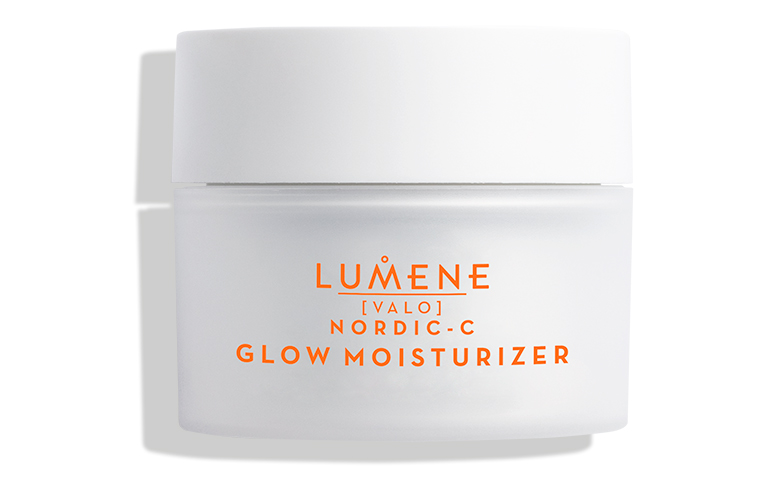
Finnish beauty brand LUMENE is the first to launch a bio-based packaging application with both the jar and label made with compatriot forest industry major UPM’s innovative wood-based material, further processed by SABIC, a Saudi Arabia-headed global leader in the chemical industry.
Lumene Oy, a Nordic pioneer in circular beauty for over 20 years, chose to use bio-based raw materials in order to reduce the carbon footprint of its packaging.
LUMENE’s new jar and the self-adhesive label originate from renewable “UPM BioVerno” naphtha, produced by UPM in Finland.
The naphtha is processed into certified renewable polypropylene by SABIC and then converted both into commonly recyclable cosmetics containers and product labels printed on “UPM Raflatac Forest Film” label material.
By cooperating with UPM and SABIC we are taking the next important step in our sustainability journey and driving the transition to renewable resources. LUMENE’s ambition is to have 80 percent of its packaging made from recycled and biobased plastics by 2025, said Essi Arola, Head of R&D Packaging and Sustainability at LUMENE.
Joint effort to reduce fossil-based plastic in packaging
This pioneering cooperation, in which both LUMENE’s jar and film label is made with renewable raw materials, reduces the need for fossil-based plastics by over 60 tonnes per year while also reducing the packaging’s carbon footprint significantly for the 1.5 million jars annually.
The process begins when tall oil, a residue of the pulping process, is used to produce UPM BioVerno by UPM Biofuels. The wood-based renewable naphtha can be used to replace fossil raw materials for various end uses.
We are committed to replacing fossil-based feedstocks with renewable ones. This collaboration with LUMENE, SABIC, and UPM Raflatac is an excellent example of a future beyond fossils, which is a key driver for UPM going forward, explained Juha Rainio, Sales and Marketing Director at UPM Biofuels.
UPM BioVerno is then further processed by SABIC to make certified renewable polypropylene from their “TRUCIRCLE” portfolio.
These renewable solutions, specifically resins and chemicals from biobased feedstock, are not in direct competition with the food chain and can contribute to reducing carbon emissions.
We firmly believe that collaboration and innovation are driving the sustainable transformation of our industry. SABIC’s certified renewable materials demonstrate how our TRUCIRCLE solutions can contribute toward our shared goals for carbon neutrality. We are delighted to work with our value chain partners LUMENE and UPM Biofuels as a further step towards creating a more circular and sustainable economy for plastics, remarked Lada Kurelec, General Manager, PP & E4PS Business at SABIC.
ISCC Plus certified supply chain
By applying the mass balance approach, LUMENE’s jar producer is able to create commonly recyclable jars from certified renewable polypropylene (PP) with a reduced environmental impact.
This innovative package is topped with UPM Forest Film – the world’s first film label material made with wood-based biomaterials.
All parties in the supply chain have International Sustainability and Carbon Certification (ISCC Plus) sustainability certification and a verified amount of biobased feedstock is put into the manufacturing process to produce the certified renewable plastic packaging.
Reducing the use of fossil materials is a worldwide challenge and one of the best ways of tackling it is collaboration in the value chain.
It’s inspiring to work with passionate brands with ambitions to go beyond fossils. LUMENE took a holistic view of the whole package – using renewable fossil-free feedstocks in the primary plastic as well as the label. Both are critical to the brand experience and integral to the circularity and climate performance of packaging, ended Eliisa Laurikainen, Business Development Manager at UPM Raflatac.