Commenting on the European Commission's newly presented Bioeconomy Strategy, Bioenergy Europe says it welcomes its publication and its acknowledgement of the "contribution of bioenergy to energy security and recognises its role in fuelling bio-based circular value chains."
The European Commission proposal, announced on November 27, 2025, aims to boost circularity, climate neutrality, and competitiveness across the EU.
It also acknowledges the role of bioenergies and biofuels, as well as the need for flexibility when assessing efficient biomass-use pathways.
Europe’s bioeconomy prospers when all bio-based sectors work together. The Strategy’s recognition of bioenergy as part of an integrated and efficient system is an important step to ensure that no resource is wasted, energy security is ensured, and rural communities remain strong, said Jean-Marc Jossart, Secretary General of Bioenergy Europe.
Efficient use of biomass and local flexibility
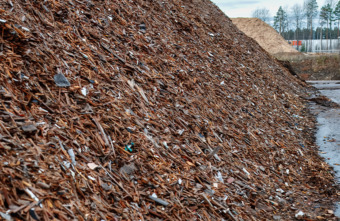
The Strategy adopts a system approach to biomass use, highlighting that residual and secondary streams can serve energy applications, ensuring energy security and energy affordability.
This, Bioenergy Europe notes, “reflects the reality of Europe’s bioeconomy. Across the EU, circular value chains already ensure that high-quality biomass is used for materials while side streams are transformed into renewable energy that supports local development and reduces dependency on fossil fuels.”
Bioenergy Europe welcomes the emphasis on local conditions and regional diversity to define value and efficient use of biomass.
Europe’s agriculture and forestry systems vary significantly and require flexible frameworks that allow Member States and regions to maximise sustainability and efficiency.
Coherence with climate and energy objectives

The recognition of biogenic carbon and its potential for permanent storage is a forward-looking element.
The Strategy links this emerging field to the EU Emissions Trading System (ETS) and the Innovation Fund, reflecting the growing importance of bioenergy with carbon capture, utilisation and/or storage BECCUS-technologies for achieving climate neutrality and supporting Europe’s leadership in industrial carbon management.
Bioenergy Europe says it stands “ready to work with the European institutions and Member States to help deliver the objectives of the Strategy.”
Ensuring coherence between the Bioeconomy Strategy, Renewable Energy Directive (RED III), and the EU’s climate and energy framework will be essential for maintaining investor confidence and enabling Europe’s renewable and circular value chains to scale.
Europe’s bioeconomy can only succeed if innovation, sustainability and regional strengths are aligned. Today’s Strategy creates a foundation on which we can build, and bioenergy will continue to play a vital role in Europe’s resilience, competitiveness and climate ambition, concluded Jean-Marc Jossart.