Around 800,000 people in Serbia are set to benefit from a safer and cleaner environment as preparations begin for the closure and remediation of 17 unsanitary landfills with the support of the European Bank for Reconstruction and Development (EBRD) and the European Union (EU) through the Western Balkans Investment Framework (WBIF).
The preparatory work for the closure and remediation of those unsanitary landfills in the regions of Pirot, Sremska Mitrovica and Valjevo will be supported by a EUR 2.64 million technical assistance grant financed by bilateral donors of the Western Balkans Investment Framework (WBIF), the EU’s main platform for infrastructure investments in the region.
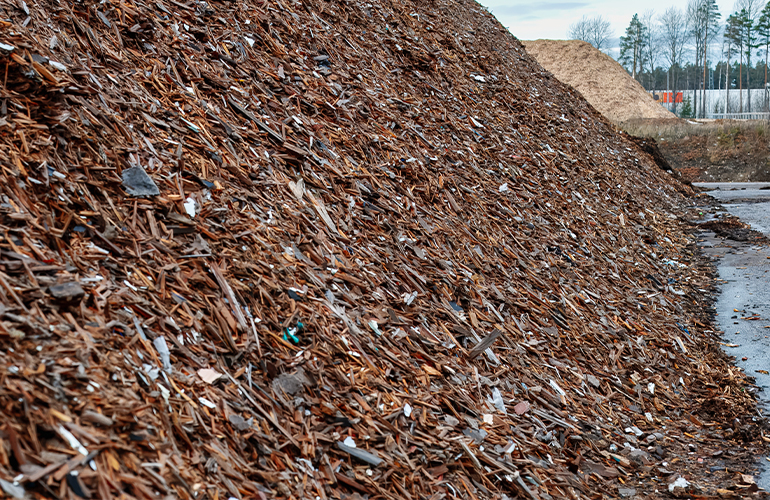
The grant, which was signed on August 24, 2026, by the EBRD and Serbia’s Ministry of Environmental Protection in the presence of the EU Ambassador to Serbia, Andreas von Beckerath, will finance the preparation of technical and tender documentation for the closure and remediation of the landfills, which pose significant risks to soil, groundwater and air quality in surrounding communities.
Develop modern EU-compliant solid waste management systems
Closing and remediating these sites will reduce pollution, manage landfill gas (LFG) and cut greenhouse gas (GHG) emissions, while creating safer, cleaner conditions for communities long affected by outdated waste disposal facilities.
This assignment forms part of a wider programme financed by the EBRD and the French Development Agency (AFD), which is helping Serbia develop modern EU-compliant solid waste management systems at regional level and increase recycling rates.
That programme is supporting the establishment of regional waste management centres that will replace the unsanitary landfills.
When those centres become operational and start receiving waste, the closure and remediation of the legacy sites will commence.
Work on the establishment of the regional centres is progressing steadily. Thus far, a new regional landfill in Kalenić and a new composting facility in Pirot have been completed, while construction and upgrading work is continuing in Nova Varoš, Pirot and Sremska Mitrovica.
Improving environmental infrastructure is essential for protecting public health and advancing Serbia’s green transition. Through the Western Balkans Investment Framework, the European Union is helping Serbia prepare the investments needed to reduce pollution, improve waste management and bring environmental standards closer to those of the EU, said Andreas von Beckerath.
The EBRD is a leading institutional investor in Serbia, having invested more than EUR 11 billion in the country to date.
Through the WBIF, the EU has helped Serbia to invest in environmental infrastructure, clean energy, transport and other priority sectors, in line with the country’s EU accession path.
The WBIF is a joint initiative bringing together the EU, international financial institutions and bilateral donors, supporting socio-economic development and EU accession priorities across the Western Balkans.
This is an investment in cleaner air, safer soil and healthier communities. With support from the EU and bilateral donors through the WBIF, and in partnership with the Serbian authorities, this assignment will pave the way for the long-awaited closure and remediation of unsanitary landfills and support Serbia’s transition to modern, environmentally safe waste management systems, said Jelena Čeperković, the EBRD’s Deputy Head of Serbia.