Through its joint local venture with Khan Renewable Energy Ltd (KREL), the Netherlands-headed Harvest Waste B.V. has received a signed Letter of Intent (LoI) to develop a Waste-to-Energy (WtE) project in Karachi, Pakistan. With a power generation capacity of up to 50 MW, the project is expected to process approximately 1 500 tonnes of waste per day with an estimated investment of US$150 million.
Harvest Waste is a private spin-out of AEB Amsterdam, the public waste management company of the capital of the Netherlands and operator of one of the largest Waste-to-Energy (WtE) plants in the world.
The company develops integrated waste management projects centered around its unique High-Efficiency Waste to Energy (HE WtE) technology.
One of four WtE projects
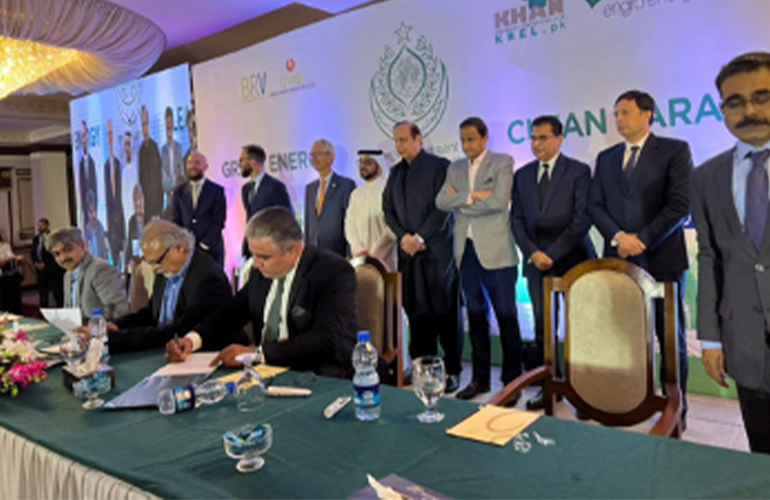
On April 1, 2022, the Sindh Government entered into an agreement with KREL and Harvest Waste to launch a waste-to-energy (WtE) project to transform the residual municipal solid waste (MSW) generated in Karachi into clean electricity.
At the ceremony, the Sindh Government also issued LoI’s to three other consortia. For these four projects, the Sindh Government will provide land near the landfill site in Karachi.
An approximate investment of US$600 million is expected for these projects. Of the 15 000 tonnes of waste that Karachi’s population generates on a daily basis, about 6 000 to 8 000 tonnes of waste will be processed by the WtE plants for the production of 150 megawatts of energy, said Energy Minister Imtiaz Shaikh.
Minister Shaikh also mentioned that these projects, launched in accordance with the ‘Green Energy, Clean Karachi’ initiative, will not only help process the garbage from Karachi in a sustainable way but will also help meet Pakistan’s renewable energy requirements.
Securing a renewable future
According to Harvest Waste, the LoI issued by the Sindh Government sets a clear pathway of milestones towards financial close which will take approximately 18 months.
After the successful construction of many wind projects with a cumulative installed capacity of more than 1GW, it is clear that Pakistan is ready to take its next steps.
Implementing WtE plants will further reduce the country’s carbon footprint and secure reliable, as well as sustainable, baseload power.
Additional benefits of this 50 MWe facility to the local community include reduction of air pollution, odor, littering, and the creation of hundreds of local jobs during various phases of the plants’ development and operation.
Deploy efficient and clean technology
To develop the 50 MWe facility, Harvest Waste will deploy the same expertise used to build the AEB Amsterdam facility, which is the most efficient and cleanest in the world.
The plant in Amsterdam can generate 900 kWh of electricity from each tonne of waste and has processed over 5.5 million tonnes of waste since its commissioning in 2008. Harvest Waste expects similar success from its project in Pakistan.