Japan-headed Mitsubishi Heavy Industries Environmental & Chemical Engineering Co., Ltd. (MHIEC) has announced that it has received an order from the Clean Authority of Tokyo, a local government authority, to refurbish core components at the Ariake Waste-to-Energy (WtE) plant, a municipal solid waste (MSW) incineration plant. The order is for the refurbishment of stoker type incinerators to extend their service life and enhance energy efficiency.
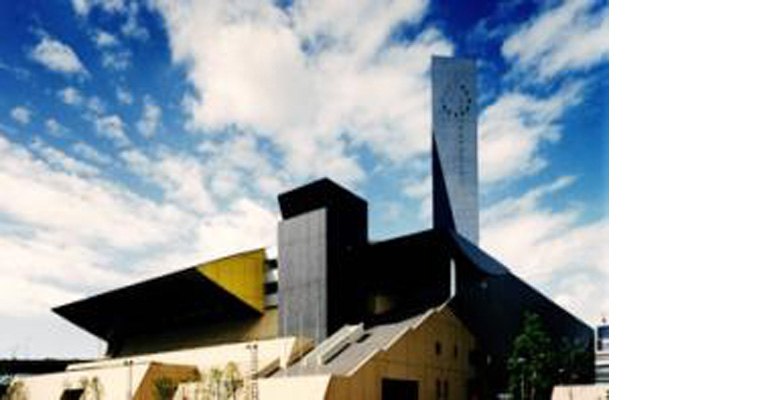
The Ariake WtE Plant is the first facility for which the Clean Authority of Tokyo has ordered a refurbishment of core components. The project is valued at around JPY 3.2 billion (≈ US$29.9 million) and scheduled for completion in February 2020.
The Clean Authority of Tokyo was established in April 2000 to take over management and operation of waste and night soil treatment facilities from the Tokyo Metropolitan Government. The organization currently manages 21 plants in the city, including facilities undergoing renovation.
The 5.6 MWe power plant was designed and built by MHI and completed in December 1995. It comprises two stoker incinerators each with a capacity of 200 tonnes per day (tpd). The order covers the replacement and upgrading of superannuated components at the facility, including equipment for refuse feeding, ash treatment, wastewater treatment, draft fan, duct, and dust collection, as well as electric instrumentation and water supply systems.
Government support
Renovation and upgrades to waste-to-energy (WtE) plants are increasing, aiming to extend service life as well as reduce environmental impact. The introduction of a related subsidy system in 2015 by the Japanese national government has also accelerated this trend.
Administrated by Japan’s Ministry of the Environment, this programme promotes effective use of existing waste treatment facilities to address the issue of global warming. Local governments seeking to extend the operational life of their MSW facilities are eligible for subsidies covering one-third to one-half of project costs, depending on the degree of carbon dioxide (CO2) reduction.
The project will also enhance energy efficiency through the use of an exhaust gas treatment system that incorporates MHIEC’s proprietary technologies to lower power consumption by reducing the load on bag filters, as well as the use of high-efficiency motors and inverters. These measures will reduce total annual CO2 emissions by more than 3 percent.
MHIEC assumed the responsibility of MHI’s waste treatment plant business in 2008, acquiring MHI’s accumulated technological development capabilities in environmental protection systems, and its abundant expertise in the construction and operation of waste management facilities both in Japan and overseas.