The biogenic carbon dioxide generated by pulp mills is a valuable, largely untapped side stream that could be captured and used as a raw material for products replacing fossil-based materials and fuels as the technology and markets develop says Finnish forest industry major Metsä Group.
Metsä Group is a forerunner in the Nordic forest industry, and its pulp mills generate around 12 million tonnes of wood-based carbon dioxide (CO2) annually. The Group is actively exploring large-scale capture of this biogenic CO2.
According to Kaija Pehu-Lehtonen, Project Director of Metsä Group’s carbon capture project, Metsä Group aims to develop its mills by following its bioproduct mill concept.
This means making even greater use of pulp mill side streams, efficiently converting wood into increasingly valuable bioproducts.
Harnessing wood-based carbon dioxide as a raw material for other products and uses is one such example.
Carbon capture offers Finland a major opportunity to build a new industry – and to undertake significant climate action, as the use of wood-based carbon dioxide reduces fossil raw material consumption and the related carbon dioxide emissions. It also promotes the EU’s climate targets, said Kaija Pehu-Lehtonen.
Initial study completed
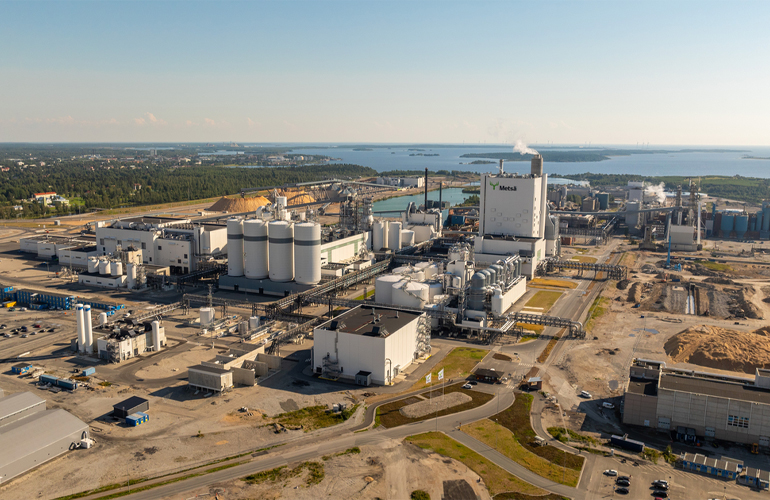
This autumn, Metsä Group and Austria-headed international technology major ANDRITZ AG completed their first study examining what the capture of some four million tonnes of CO2 from the flue gases of a mill the size of the Kemi bioproduct mill would mean in terms of technology and energy.
Carbon capture requires a significant amount of thermal energy. To account for this, the study specifically explored ways to integrate carbon capture into the bioproduct mill as energy-efficiently as possible.
According to Kaija Pehu-Lehtonen, the study suggests that it is possible to capture all of the CO2 generated by a large bioproduct mill but it requires major investments and developments in the related technology and market before it can result in a profitable business.
Twenty percent of the heat energy required for carbon capture can be obtained from the bioproduct mill’s current heat flows. New technological solutions are needed for the remainder, Kaija Pehu-Lehtonen explained.
Metsä Group is proceeding stage by stage in the carbon capture project and will pilot carbon capture next summer at the Rauma pulp mill with ANDRITZ.
The pilot stage will be followed by plans for a potential demo plant.
If carbon capture proves viable, it will provide the forest industry with a new high-volume wood-based raw material giving rise to investments, workplaces, and tax revenue – not to mention climate benefits.