The Irish Bioenergy Association (IrBEA) has engaged with public representatives over the last few weeks on its priority items for Budget 2027 and now calls on the Government to introduce targeted measures in the 2027 budget to support the growth and development of the Irish bioenergy sector.
IrBEA represents the biomass, biogas/biomethane, liquid biofuel, biochar, wood fuel and energy crops sectors, working to deliver a sustainable renewable energy future.
The Association believes that Budget 2027 presents a unique opportunity for the Government to recognise the significant role of bioenergy in addressing Ireland’s climate, energy security and rural economic challenges, a topic to be further discussed at IrBEA’s upcoming part two of its 25th National Bioenergy Conference that will focus on biomethane and biofuels.
Budget 2027 presents a unique opportunity for Government to recognise the significant role of bioenergy in addressing Ireland’s climate, energy security and rural economic challenges. Bioenergy is the largest source of renewable energy globally and has a vital role to play in Ireland’s energy transition. With the right measures in Budget 2027, Ireland can stimulate investment, create rural jobs, displace fossil fuels and deliver meaningful carbon reductions. Other EU countries are far ahead; this Budget is the opportunity for Ireland to catch up, said Seán Finan, CEO of IrBEA.
Key asks from IrBEA members include:
- Support Scheme for Renewable Heat (SSRH): Continued budget provision for the SSRH, including provision for an increase in the biomass tariff rates and additional support for the replacement of older biomass boilers in commercial and industrial facilities.
- Biogas and Biomethane sector mobilisation: Urgent introduction of the long-awaited Renewable Heat Obligation and other dedicated supports and measures to develop the sector. Introduction of the biomethane capital support programme, through ICNF funding. IrBEA calls for a front-loaded grant rate of 50 percent on the first €5 million of investment, with a 25 percent grant on the remaining investment, with a maximum grant per project of €10 million. A dedicated ringfenced budget in the biomethane capital support programme for €3-4 million to support the construction of up to 15 farm-scale biogas plants. This scale of production can contribute to farm emission reductions and to farm income, while also raising awareness within rural communities of the positive benefits of biogas plants. This scale can act as an enabler of the biomethane sector and garner social acceptance.
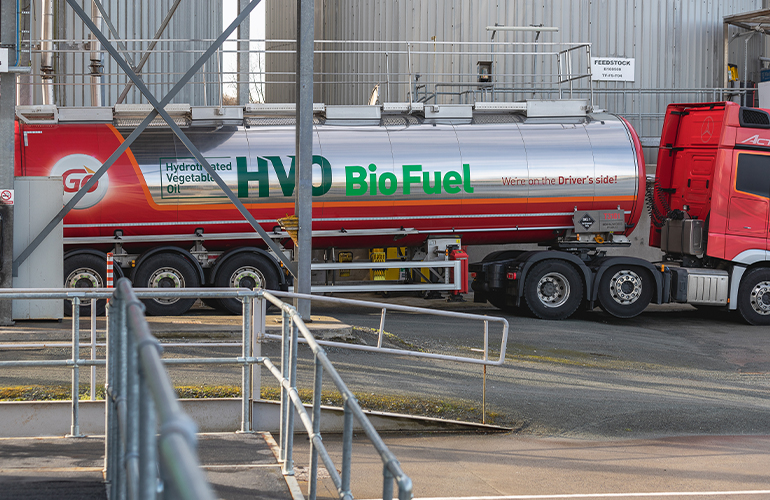
- Liquid Biofuels Sector Support: Introduction of a mineral oil tax relief scheme for indigenous liquid biofuel production. This would support energy security and help the growth and development of the Irish liquid biofuel sector.
- VAT treatment of wood fuel appliances vs other renewable options: IrBEA calls for VAT equalisation across the different technologies and that the VAT rate on biomass appliances be lowered to 9 percent, like heat pumps.
Currently, solar panels have a 0 percent VAT rate, and biomass appliances have a 23 percent VAT rate. - Wood Fuel Drying Infrastructure Capital Support Scheme Proposal: Introduction of a capital support scheme for wood fuel producers to assist with the development of wood fuel drying infrastructure to meet the new Air Pollution Act (Solid Fuel Regulations) moisture content requirements.
- Kerosene fuel measures: Any measures introduced for Kerosene fuels must not disadvantage renewable fuels from a taxation or cost perspective. Biomass appliances must be eligible in the oil boiler scrappage scheme: Biomass and renewable fuel appliances (pellet and log appliances as well as liquid biofuel appliances) must be eligible appliances in the proposed oil boiler scrappage scheme.
- Eco-design Heating Appliances: Extending domestic home grants to cover the replacement of fossil fuel appliances with biomass stoves, boilers and renewable fuelled appliances.
- Training: Dedicated funding for renewable energy training programmes.
- Resourcing: Provide for additional staff in departments, state agencies and statutory bodies to implement renewable heating targets, enforce the Air Pollution Act (Solid Fuel Regulations) and consider planning appeals.
IrBEA calls on Government to seize the Budget 2027 opportunity and ensure that bioenergy is placed at the centre of Ireland’s renewable energy, climate and economic policies.
Our proposals are practical, cost-effective and deliverable. Supporting indigenous bioenergy will reduce dependence on imported fossil fuels, strengthen energy security and provide a fair pathway for farmers, foresters, householders, businesses and rural communities to participate in the renewable energy transition, concluded Seán Finan.