Following the result of the final trilogue between the European Council, the European Parliament, and the European Commission on the Common Agricultural Policy (CAP) reform, the International Confederation of European Beet Growers (CIBE) notes that the legislators have considered the sugar beet sector as a key one in these negotiations. Unfortunately, this has not led to an adequate and concrete decision to make sugar eligible for public intervention and strengthen the resilience of the sector.
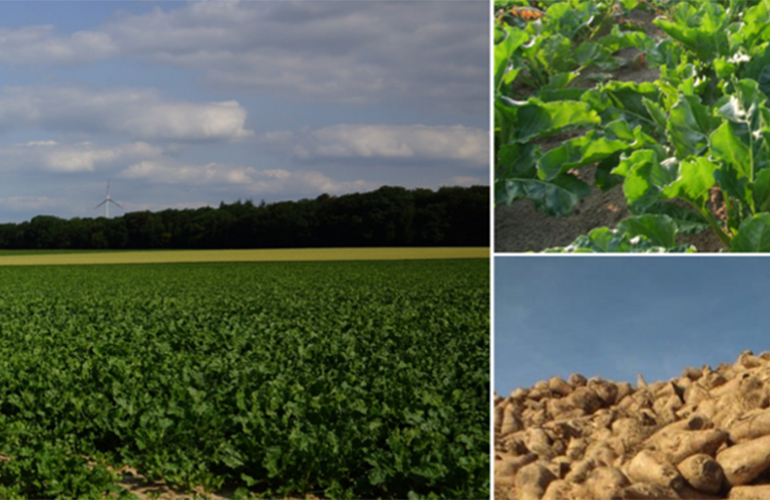
According to CIBE, the current safety net in the Common Market Organisation (CMO) Regulation – a set of rules which regulates agricultural markets in the European Union (EU) has proven inappropriate during the recent sugar market crisis with the EU average market prices falling up to 21 percent below the sugar reference threshold and remaining below this threshold during 39 consecutive months without any exceptional measure being activated.
In our sugar beet sector, we absolutely need an efficient safety net and crisis management tools to be able to tackle the future market crisis without jeopardizing our production potential. We supported the European Parliament proposal and the work of its negotiator Eric Andrieu to make sugar eligible for public intervention and we regret the continued obstruction of the Commission which has been unwilling for months to support our sector during its worst market crisis. Our market is now largely open to duty-free imports and our sector is now market driven, but it is the role of Europe to build up the tools to face the most severe market imbalances which can be destructive for farmers and industry revenues and the sector’s sustainability, commented Franck Sander, President of CIBE.
Nevertheless, CIBE takes into consideration the joint Council, European Parliament, and Commission statement issued on the EU sugar sector and call for a “Sugar package” by the end of the year to give the tools to the European beet sugar sector to contribute to a long term basis to meet the European food sovereignty and European Green Deal challenges.
We will further engage on such issues, including the issue of double standards in relation to imported sugar, concluded Franck Sander.