In the United States (US), Liferaft, a biochar company focused on both durable carbon capture and restoring rural economies and communities, has announced that it has finalised an agreement to supply Microsoft with one million high-quality carbon removal units (CRUs) over a ten-year period.
According to a statement, the offtake was facilitated by Supercritical Tech Ltd, a UK-based carbon removal marketplace.
Supercritical supported Liferaft during the early stages of project design, ensuring the needed scale and robust monitoring, reporting, and verification (MRV) protocols to help meet Microsoft’s rigorous standards.
Agricultural and municipal biomass feedstock
The CRUs will be delivered through Liferaft’s large-scale biochar facilities located in the US Midwest, specifically Iowa (IA) and Illinois (IL). These facilities will source agricultural and municipal biomass from the surrounding region.
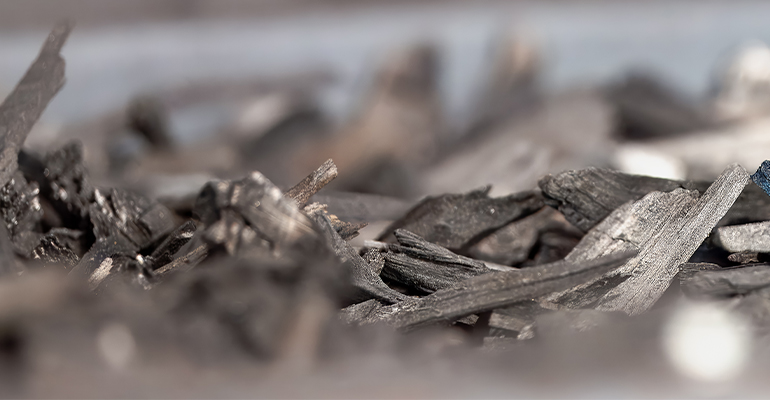
The biomass will be processed on site using pyrolysis—heating organic material in the absence of oxygen in specialized equipment known as pyrolyzers—to produce durable biochar.
The resulting biochar will be blended with compost to create a biochar compost mix for approved end uses, including agricultural applications. When applied to soils, biochar can improve soil health and crop yields while durably sequestering carbon for hundreds of years.
ICROA-endorsed registry
All biochar produced under this agreement will be tracked using MRV systems to confirm that it is applied only in approved end uses that ensure long-term carbon storage.
The project will be registered on an International Carbon Reduction and Offset Alliance (ICROA) endorsed registry, with CRUs issued following independent third-party verification.
We are excited to announce this transformative deal with Microsoft, which enables Liferaft to create (and provide training for) many high-quality jobs in rural American communities. We are particularly grateful to the people and leaders of West Liberty, Iowa, and Muscatine County, Iowa, for their incredible support over the past year of planning. We are likewise grateful to Microsoft for executing this offtake with us in support of their carbon negative commitment, and to Supercritical for facilitating the offtake. We truly feel that all partners are aligned in our mission here, and that the project will make the planet and the community a better place, said William Cowell de Gruchy, CEO of Liferaft.
Alongside the project’s carbon and potential soil health benefits, its potential economic benefits and community impact were key considerations in planning.
Liferaft has worked with a wide range of stakeholders locally to understand and address local needs collaboratively from the start. This impacted all elements of the project, not least the feedstocks used, locations selected, and community engagement routes.
West Liberty is thrilled to welcome Liferaft to our community. From the very beginning, Liferaft has put community engagement front and center. They have worked with my office and our WeLead economic center, from the earliest stages of planning. They have listened to what the community wanted and have always been transparent and honest in what they do. Now they are delivering much-needed jobs and local investment, which promise to be transformative for us. We are excited for many years of partnership to come, said Mayor Mark Smith of West Liberty.
First of many projects
The project confirms Liferaft’s commitment to rural American communities, workers, climate action, and nature at a time when all are sorely needed, and this offtake with Microsoft helps make that commitment possible.
These projects are designed to be the first of many such projects to come from Liferaft.
At Microsoft, we’re pleased about the Liferaft projects’ potential to pair high-quality, durable carbon removal with meaningful local benefits. Liferaft has strong plans for putting locally available biomass waste to productive use, generating local jobs, and supporting farmers and land managers. This demonstrates how carbon removal can strengthen agricultural communities, improve land outcomes, and deliver durable climate impact, commented Phillip Goodman, Director, Carbon Removal at Microsoft.