In the UK, the Association for Renewable Energy and Clean Technology (REA) has welcomed the Climate Change Committee (CCC)’s report to Parliament on progress in reducing emissions. The report emphasizes that better transparency and ambitious targets are no substitute for real delivery.
The CCC progress report reiterates the urgent need for a wide range of renewable and low-carbon technologies, calling on the UK Government to radically increase the deployment of already commercial decarbonization technologies across power, heat, and transport, and the circular economy, while also urgently pushing ahead on delivering strategically important technologies like bioenergy with carbon capture and storage (BECCS) and hydrogen.
Echoing statements in the report, the Association for Renewable Energy and Clean Technology (REA) says that it recognizes that glimmers of the Net Zero transition can be seen in growing sales of new electric cars and the continued deployment of renewable capacity, however, the scale-up of action overall is worryingly slow.
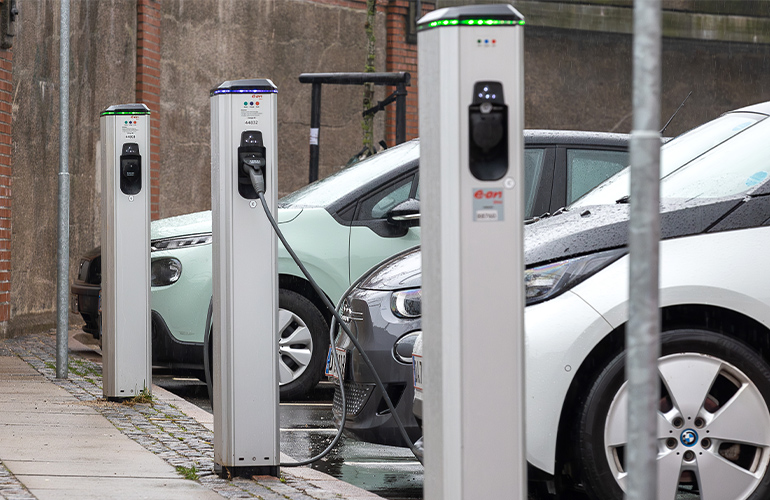
This includes areas such as the slow uptake in electric van sales, which can be combatted by building charging infrastructure suitable for vans or providing incentives to purchase them.
As is highlighted in the CCC’s report, the UK has indeed sent confusing signals on its climate priorities to the global community. We agree with the CCC’s criticism of the Government in recent months for prioritizing new fossil fuel exploration, while other advanced countries are providing renewed fiscal support and legislation to advance the energy transition, such as the EU Green Deal Package and the US Inflation Reduction Act, said Dr Nina Skorupska CBE, Chief Executive of the REA.
In addition, the REA reiterates calls on the Government to implement the Resources and Waste sector reforms to “ensure we are making the best use of our resources, contributing to Net Zero, and producing valuable products to help protect our soils and decarbonize agriculture.”
It is clear that government should now use the upcoming Autumn Statement to respond to this report by delivering real policies designed to deliver against the Governments own power, heat, transport, and circular economy targets. The budget must respond to significant policy gaps that remain and focus on creating an attractive market for low-carbon investment. The targets are there, but the Government must now crack on with delivery, ended Dr Nina Skorupska.