European Renewable Ethanol Association (ePURE) members produced 5.6 billion litres of ethanol and 5.33 million tonnes of co-products in 2019, according to new audited data recently released by the industry group. The new figures confirm the "importance of European renewable ethanol biorefineries to achieving EU Green Deal objectives for reducing emissions and sustainable domestic production of animal feed" ePURE says.
With 36 members including 19 producers with around 50 plants in 16 EU Member States, ePURE members account for about 85 percent of EU renewable ethanol production. Of the total ethanol output from ePURE members in 2019 (the most recent year for which data have been compiled and audited), more than 82 percent was for fuel use, with an average of more than 72 percent greenhouse gas (GHG) savings compared to fossil petrol.
Of the remaining ethanol production in 2019, 9.2 percent was for food and beverage uses and 8.5 percent was for industrial applications, including hand sanitiser.
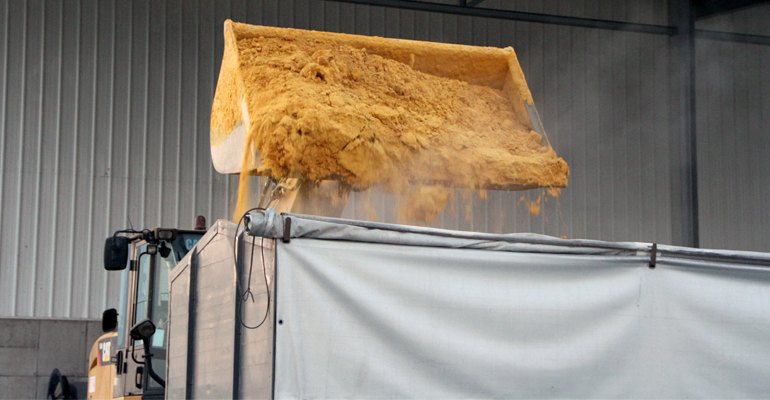
Along with renewable ethanol, ePURE members’ refineries produced 5.33 million tonnes of co-products, including 3.83 million tonnes of high-protein, GMO-free animal feed and 0.8 million tonnes of captured green carbon dioxide (CO2) used for example in the beverages industry.
More than 99 percent of the feedstock used to produce renewable ethanol by ePURE members – including cereals, sugars, wastes, and residues – was grown or sourced in Europe.
Europe’s renewable ethanol industry continues to grow its contribution to EU Green Deal objectives: producing low-carbon fuel to reduce emissions from road transport and high-protein, GMO-free animal feed to reduce the need for imported soybean meal. Europe needs a sustainable bioeconomy that makes the most efficient use of domestic agricultural production and makes an immediate impact in the fight against climate change, said Emmanuel Desplechin, Secretary-General of ePURE.